



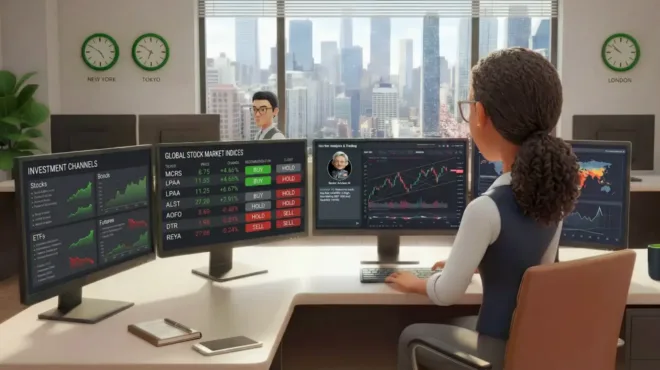

A comprehensive toolkit to build, monitor, and optimize AI agents across their lifecycle at enterprise scale.
Overview
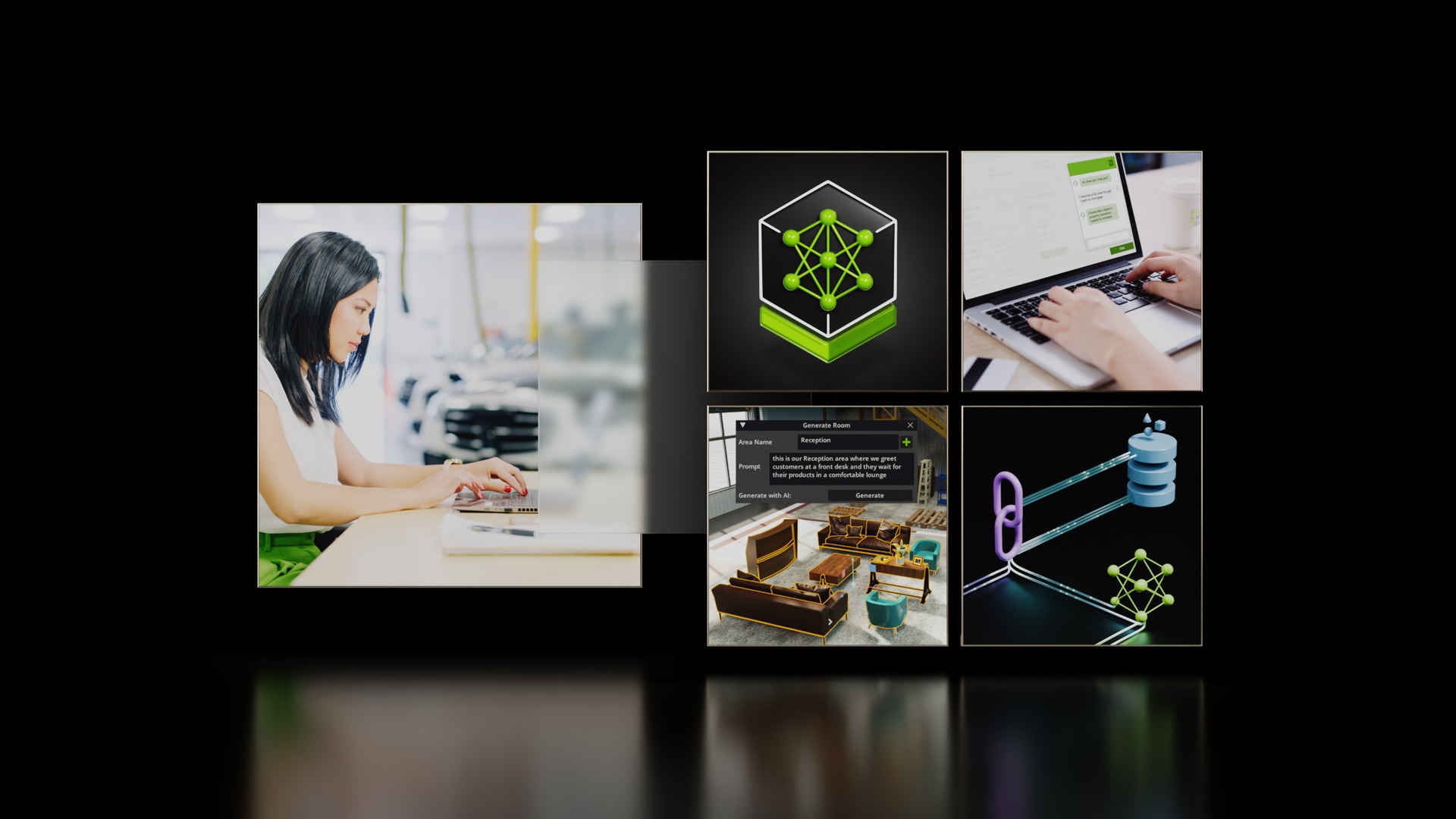
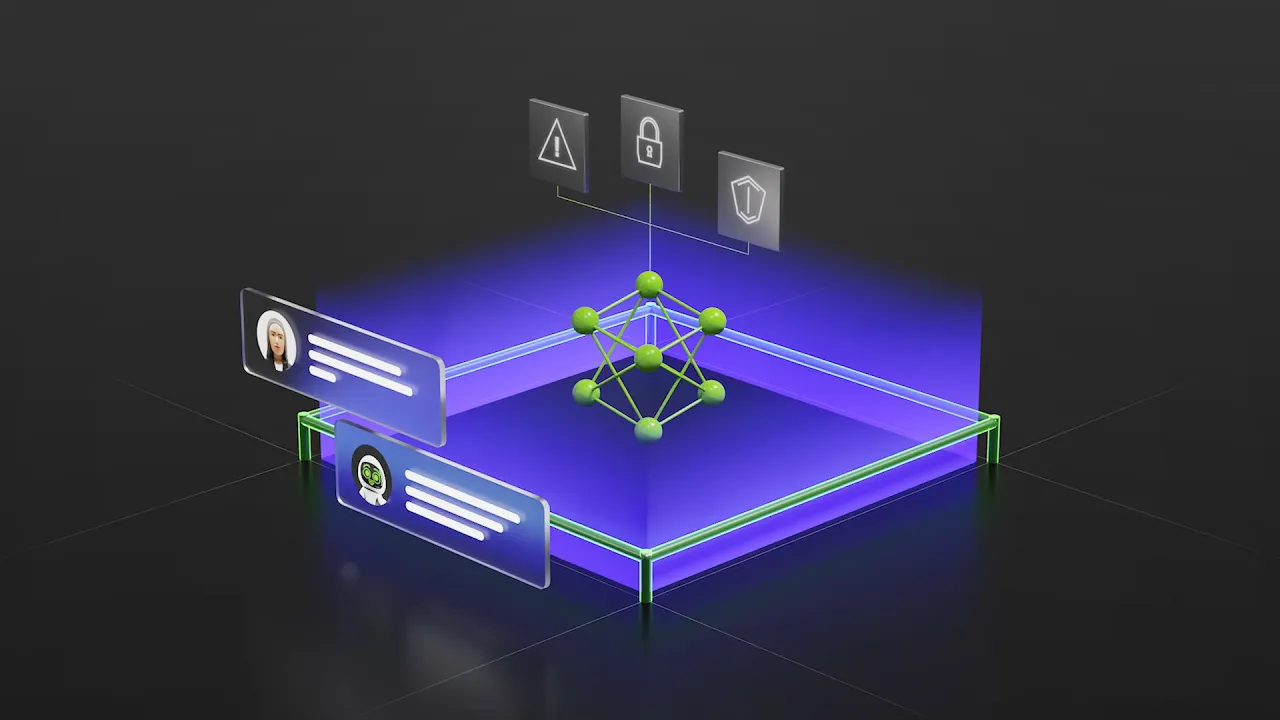
NVIDIA NeMo™ is a comprehensive toolkit for managing the AI agent lifecycle. It includes open libraries and microservices for data processing, data generation, model fine-tuning and evaluation, reinforcement learning, speech, safety, and agent observability. Use NeMo to customize NVIDIA Nemotron™ and other open models to build production-grade, specialized agentic systems tailored to your domain needs and data.
It integrates with existing AI platforms and supports cloud, on-premises, and hybrid deployments.
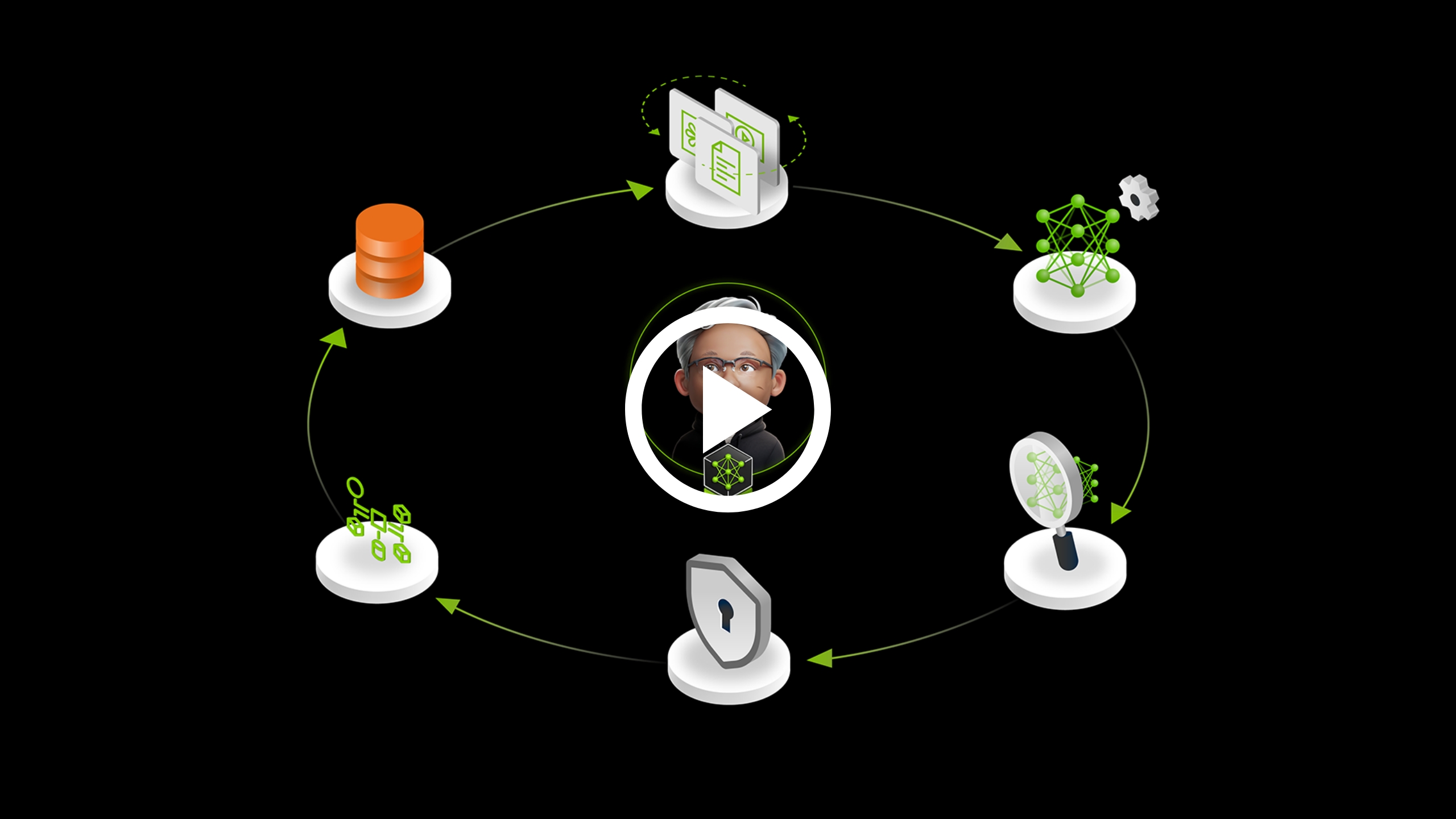
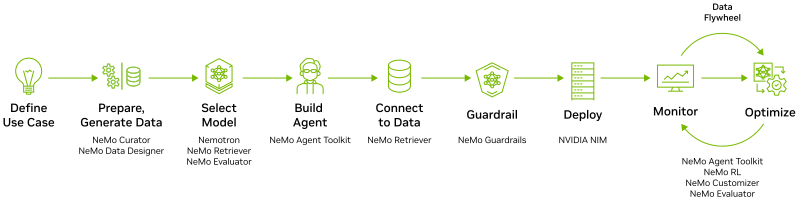
The AI agent lifecycle is an end-to-end process for developing and improving AI agents in production applications. NVIDIA NeMo provides tools that enable each step of this workflow, so enterprises can build specialized agents that are powerful, secure, and continuously learn.
| Build | |
|---|---|
| Prepare AI-ready data Process existing multimodal datasets into high-quality, AI-ready formats for development pipelines, and generate synthetic data to close critical data gaps. |
|
| Select the right model Pick or build models suited to the use case: selecting from open Nemotron models, other open or proprietary options, or training from scratch. Validate with evaluation runs, and fine-tune as needed. |
|
| Build your AI agent Profile and optimize agentic workflows across frameworks, with built-in performance analysis, bottleneck detection, evaluation-driven RL tuning, and interoperability with LangChain, LlamaIndex, and other agent ecosystems. |
|
| Deploy | |
| Deploy your agent with maximum performance Optimize your agent for production with high-throughput, low-latency inference, ensuring it can scale to meet enterprise demands and deliver fast, reliable responses. |
|
| Stay grounded in data and apply guardrails Use retrieval-augmented generation (RAG) to anchor agent responses in trusted knowledge while applying safety, compliance, and content moderation guardrails. |
|
| Optimize | |
| Monitor and collect feedback Track the agent's real-world interactions with users and other systems. Systematically evaluate its performance and accuracy, finding opportunities to continuously improve. |
|
| Continuously improve with data flywheels Use the feedback and data gathered from monitoring to create a data-driven flywheel, iteratively retraining the agent to continuously optimize and stay effective over time. |
|
Use Cases
See how NVIDIA NeMo supports industry use cases and jump-starts your AI development.
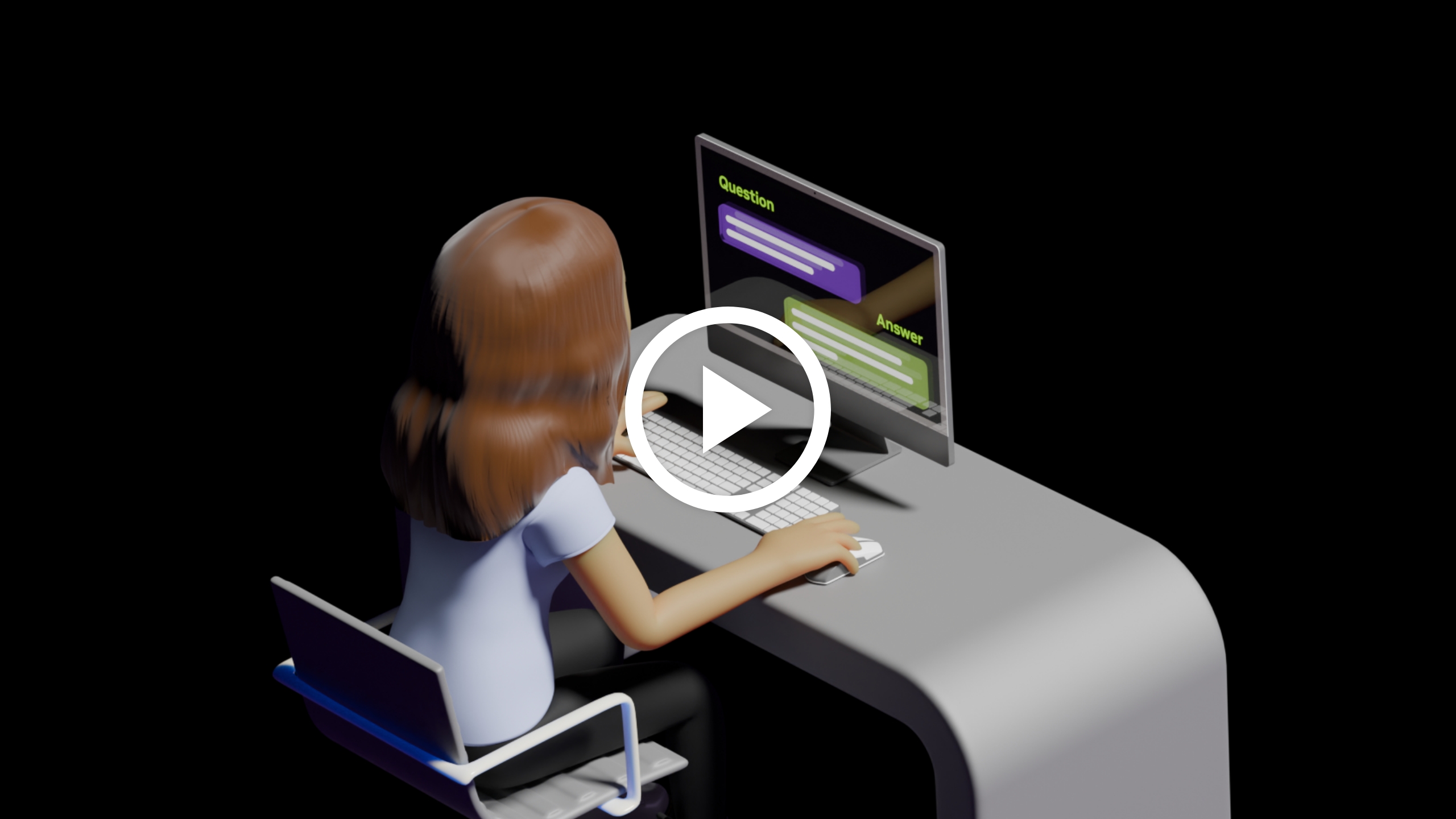
AI agents are transforming customer service across sectors, helping companies enhance customer conversations, achieve high resolution rates, and improve human representative productivity. AI agents can handle predictive tasks, reason and problem-solve, be trained to understand industry-specific terms, and pull relevant information from an organization’s knowledge bases, wherever that data resides.
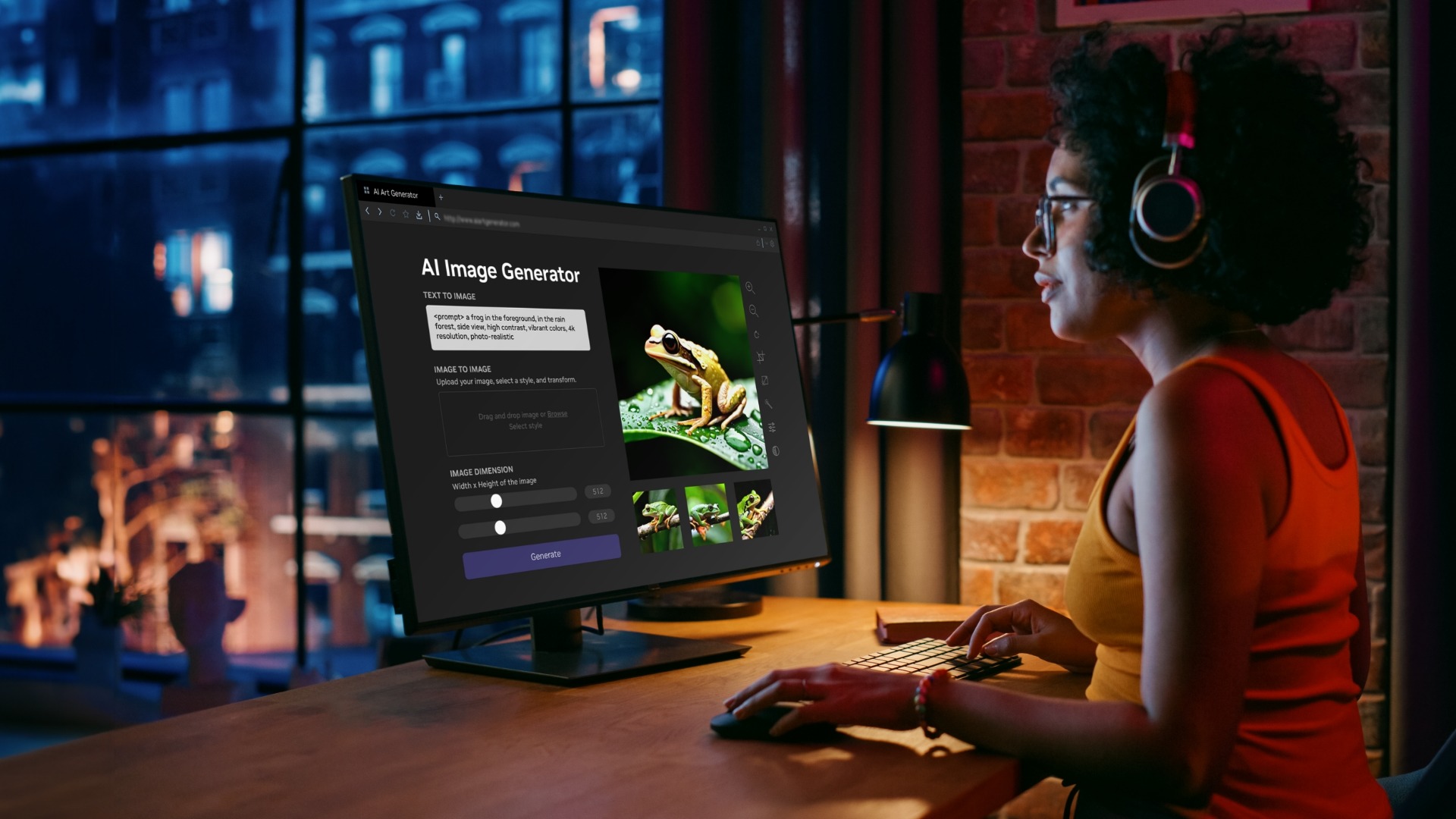
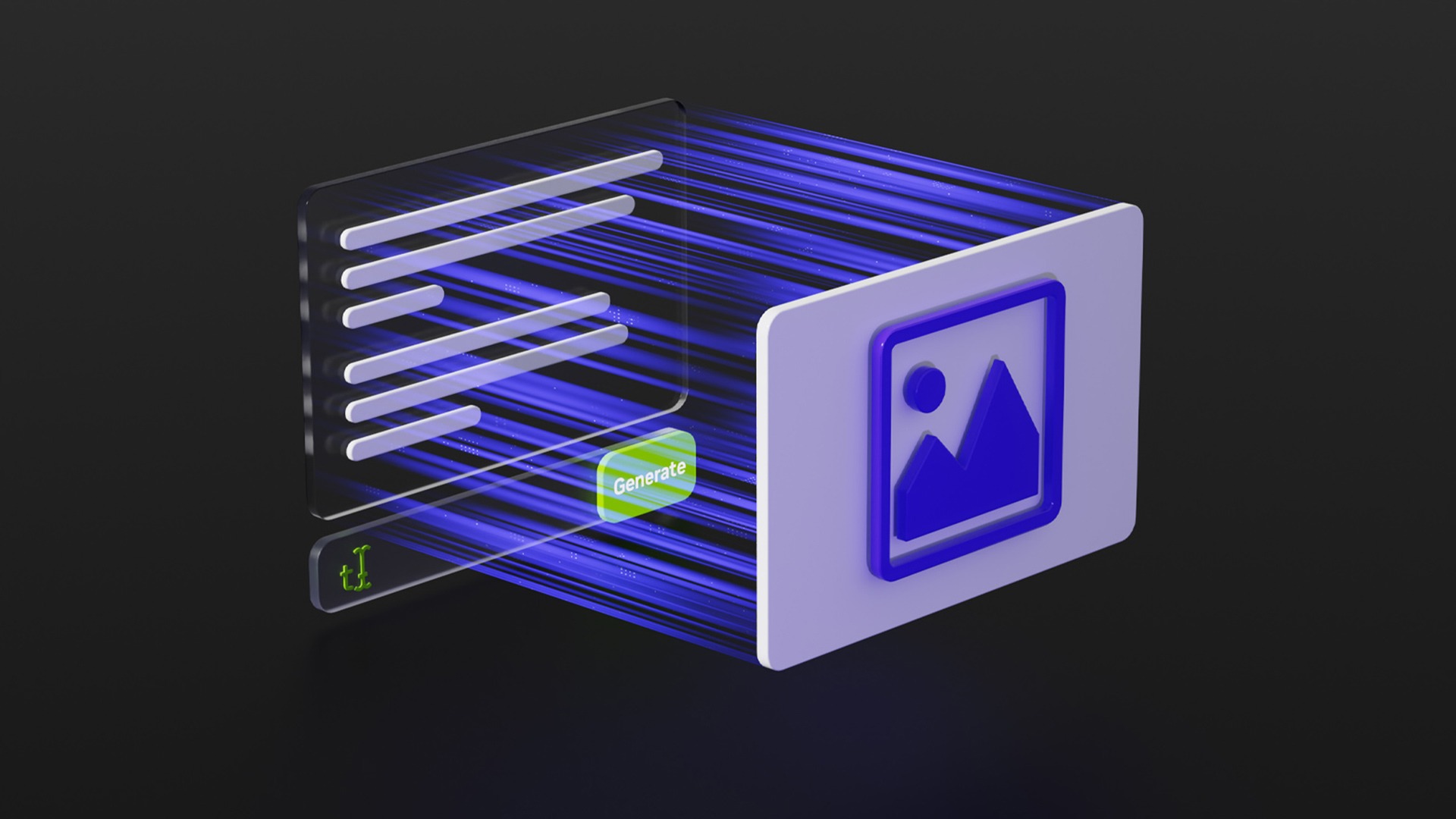
Specialized agentic systems need massive, high-quality datasets that are slow and expensive to collect from real-world sources. Synthetic data created through simulations or generative AI models can eliminate this bottleneck by creating unlimited training scenarios without privacy restrictions or quality issues. This enables faster development of reasoning LLMs, multi-step decision-makers, and multimodal AI assistants.
Businesses are deploying AI assistants to efficiently address the queries of millions of customers and employees around the clock. Powered by customized NVIDIA NIM™ microservices for LLMs, RAG, and speech and translation AI, these AI teammates deliver immediate and accurate spoken responses, even in the presence of background noise, poor sound quality, and diverse dialects and accents.
Enterprises generate trillions of documents annually—including PDFs, reports, presentations, —each containing text, images, charts, and tables—spread across disconnected systems. AI-powered enterprise search transforms this scattered data into a unified knowledge base, enabling employees to instantly surface insights using natural language and driving faster decisions at lower cost.
Generative AI makes it possible to generate highly relevant, bespoke, and accurate content grounded in the domain expertise and proprietary IP of your enterprise.
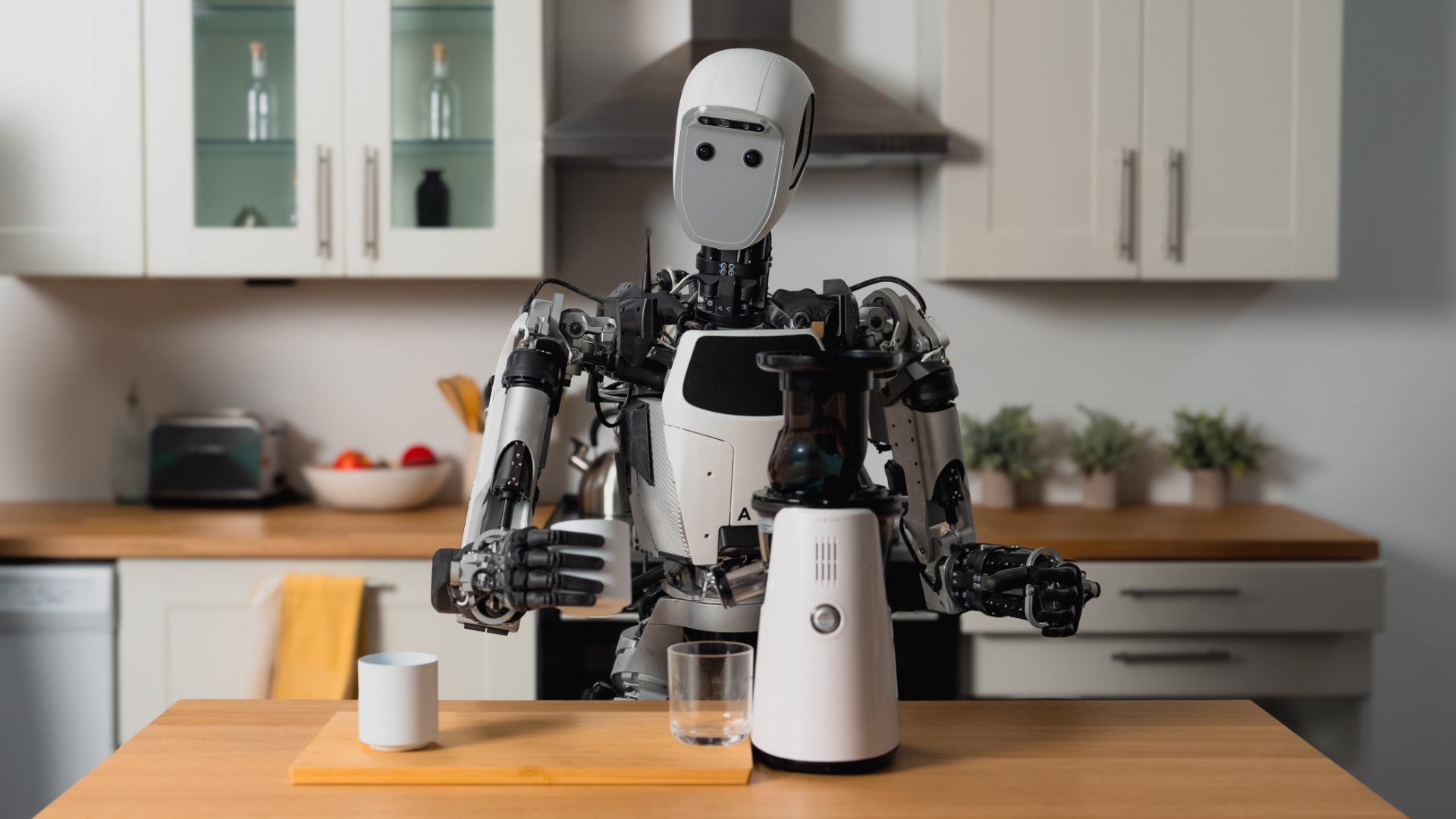
Humanoid robots are built to adapt quickly to existing human-centric urban and industrial work spaces, tackling tedious, repetitive, or physically demanding tasks. Their versatility has them in such varied locations as factory floors to healthcare facilities, where these robots are assisting humans and helping alleviate labor shortages with automation.
Apptronik
Manage the full agent lifecycle from data curation and post-training to evaluation, guardrails, observability, and continuous optimization using an interoperable, enterprise-grade software suite.
Deploy and scale data flywheels using enterprise data, with GPU-accelerated training, inference, multi-node scaling, and cost-efficient optimization for high-throughput agent workloads.
Build, customize, and deploy specialized agentic systems faster—shortening time to production and maximizing return on AI investments.
Safeguard sensitive data, enforce policy and prompt guardrails, validate models, and continuously detect vulnerabilities. Deploy securely with enterprise-grade support and stability across cloud, data center, and edge with NVIDIA AI Enterprise.
Manage the AI agent lifecycle with tools and technologies for building, monitoring, and optimizing AI agents in production.
Use the right tools and technologies to take your agentic AI applications from development to production.
Explore everything you need to start developing with NVIDIA NeMo, including the latest documentation, tutorials, technical blogs, and more.
Talk to an NVIDIA product specialist about moving from pilot to production with the assurance of security, API stability, and support that comes with NVIDIA AI Enterprise.

Shell Trains Custom AI Chatbot With NVIDIA NeMo to Uplevel Operations
Shell, a global leader in the energy industry, has leveraged NVIDIA NeMo to empower its journey toward developing a custom AI chatbot for chemical domain expertise. This innovative solution has the potential to significantly enhance employee productivity by streamlining search processes, improving decision-making, and supporting research and development in production environments.
AI Sweden facilitated regional language model applications by providing easy access to a powerful 100 billion-parameter model. They digitized historical records to develop language models for commercial use.
Amazon doubles inference speeds for new AI capabilities using NVIDIA TensorRT-LLM and GPUs to help sellers optimize product listings faster.
Amdocs plans to build custom LLMs for $1.7 trillion global telecommunications industry using NVIDIA AI foundry service on Microsoft Azure.
AT&T, one of the world’s largest telecommunications companies, is reimagining customer care through the power of AI. Facing challenges like model drift, rising computational demands, and the need for real-time data access, AT&T turned to NVIDIA NeMo™ microservices to build a feedback-driven AI platform that continuously improves performance while optimizing cost, speed, and compliance.
Amazon leveraged the NVIDIA NeMo framework, GPUs, and AWS EFAs to train its next-generation LLM, giving some of the largest Amazon Titan foundation models customers a faster, more accessible solution for generative AI.
ServiceNow, NVIDIA, and Accenture announced the launch of AI Lighthouse, a first-of-its-kind program designed to fast-track the development and adoption of enterprise generative AI capabilities.
Get access to a complete ecosystem of tools, libraries, frameworks, and support services tailored for enterprise environments on Microsoft Azure.
Bria, a startup based in Tel Aviv, is helping businesses who are seeking responsible ways to integrate visual generative AI technology into their enterprise products with a generative AI service that emphasizes model transparency alongside fair attribution and copyright protections.
With NVIDIA NIM and optimized models, Cohesity DataProtect customers can add generative AI intelligence to data backups and archives. This allows Cohesity and NVIDIA to bring the power of generative AI to all Cohesity DataProtect customers. Leveraging the power of NIM and NVIDIA optimized models, Cohesity DataProtect customers obtain the power of data-driven insights from their data backups and archives, unleashing new levels of efficiency, innovation, and growth.
CrowdStrike and NVIDIA are leveraging accelerated computing and generative AI to provide customers with an innovative range of AI-powered solutions tailored to efficiently address security threats.
Dell Technologies and NVIDIA announced an initiative to make it easier for businesses to build and use generative AI models on premises quickly and securely.
Deloitte will use NVIDIA AI technology and expertise to build high-performing generative AI solutions for enterprise software platforms to help unlock significant business value.
With NVIDIA NeMo, data scientists can fine-tune LLMs in Domino’s platform for domain-specific use cases based on proprietary data and IP—without needing to start from scratch.
Dropbox plans to leverage NVIDIA’s AI foundry to build custom models and improve AI-powered knowledge work with Dropbox Dash universal search tool and Dropbox AI.
At its Next conference, Google Cloud announced the availability of its A3 instances powered by NVIDIA H100 Tensor Core GPUs. Engineering teams from both companies have collaborated to bring NVIDIA NeMo to the A3 instances for faster training and inference.
Hugging Face, the leading open platform for AI builders, is collaborating with NVIDIA to integrate NeMo Curator and accelerate DataTrove, their data filtering and deduplication library. “We are excited about the GPU acceleration capabilities of NeMo Curator and can’t wait to see them contributed to DataTrove!” says Jeff Boudier, Product Director at Hugging Face.
South Korea’s leading mobile operator builds billion-parameter LLMs trained with the NVIDIA DGX SuperPOD platform and NeMo framework to power smart speakers and customer call centers.
Solution to expedite innovation by empowering global partners and customers to develop, train, and deploy AI at scale across industry verticals with utmost safety and efficiency.
Quantiphi specializes in training and fine-tuning foundation models using the NVIDIA NeMo framework, as well as optimizing deployments at scale with the NVIDIA AI Enterprise software platform, while adhering to responsible AI principles.
Customers can harness their business data in cloud solutions from SAP using customized LLMs deployed with NVIDIA AI foundry services and NVIDIA NIM Microservices.
ServiceNow develops custom LLMs on its ServiceNow platform to enable intelligent workflow automation and boost productivity across enterprise IT processes.
Using NVIDIA NeMo, Perplexity aims to quickly customize frontier models to improve the accuracy and quality of search results and optimize them for lower latency and high throughput for a better user experience.
VMware Private AI Foundation with NVIDIA will enable enterprises to customize models and run generative AI applications, including intelligent chatbots, assistants, search, and summarization.
Weights & Biases helps teams working on generative AI use cases or with LLMs track and visualize all prompt-engineering experiments—helping users debug and optimize LLM pipelines—as well as provides monitoring and observability capabilities for LLMs.
Using NVIDIA NeMo, Writer is building LLMs that are helping hundreds of companies create custom content for enterprise use cases across marketing, training, support, and more.
Arize’s LLM engineering and observability platform integrates NVIDIA NeMo microservices to power AI data flywheels, enabling continuous model refinement through real-world feedback. With NeMo Customizer, Evaluator, and Guardrails, Arize ensures agentic systems are performant, safe, and aligned with evolving enterprise needs. This collaboration supports the development of adaptive AI that learns and evolves over time.
With NVIDIA NeMo embedded into the DataRobot Enterprise AI Suite, enterprises can ensure agentic systems are safe, compliant, and grounded in enterprise-specific data. This integration facilitates the development of AI agents that deliver accurate, context-aware responses while adhering to organizational standards.
Over the past year, DataStax has partnered with NVIDIA to adopt NVIDIA NeMo microservices to enhance generative AI, retrieval-augmented generation, and hybrid search across its database and AI offerings. The results have been impressive: 19x better performance in throughput, a significant reduction in costs, and improved latency.
Galileo integrates NVIDIA NeMo microservices to build AI data flywheels that strengthen agent performance, reliability, and trust. NeMo adds complementary capabilities to the Galileo platform—enabling continuous domain-specific fine-tuning via NeMo Customizer, advanced evaluation with NeMo Evaluator, and safeguarding user interactions with NeMo Guardrails to empower AI teams to build, evaluate, and monitor agentic AI systems that learn and improve continuously in real-world environments.
YouTube sets performance, advertising, and other optional cookies when you watch embedded videos. To watch this video, you need to turn on optional cookies for the site. By clicking “Accept and Play Video,” you will automatically turn on advertising and other optional cookies for the site and accept our Terms of Service (which contains important waivers). Please see our Privacy Policy and Cookie Policy for more information.
Alternatively, you can watch this video on YouTube.
YouTube sets performance, advertising, and other optional cookies when you watch embedded videos. To watch this video, you need to turn on optional cookies for the site. By clicking “Accept and Play Video,” you will automatically turn on advertising and other optional cookies for the site and accept our Terms of Service (which contains important waivers). Please see our Privacy Policy and Cookie Policy for more information.
Alternatively, you can watch this video on YouTube.